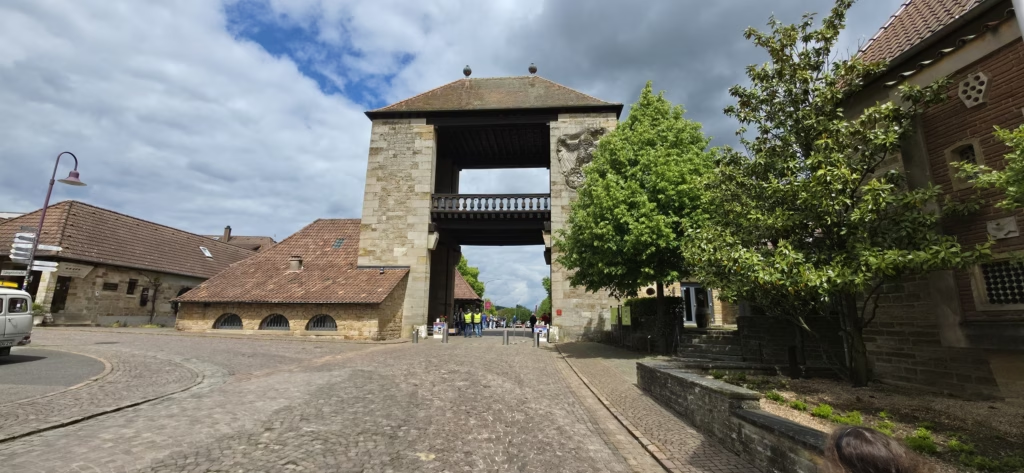
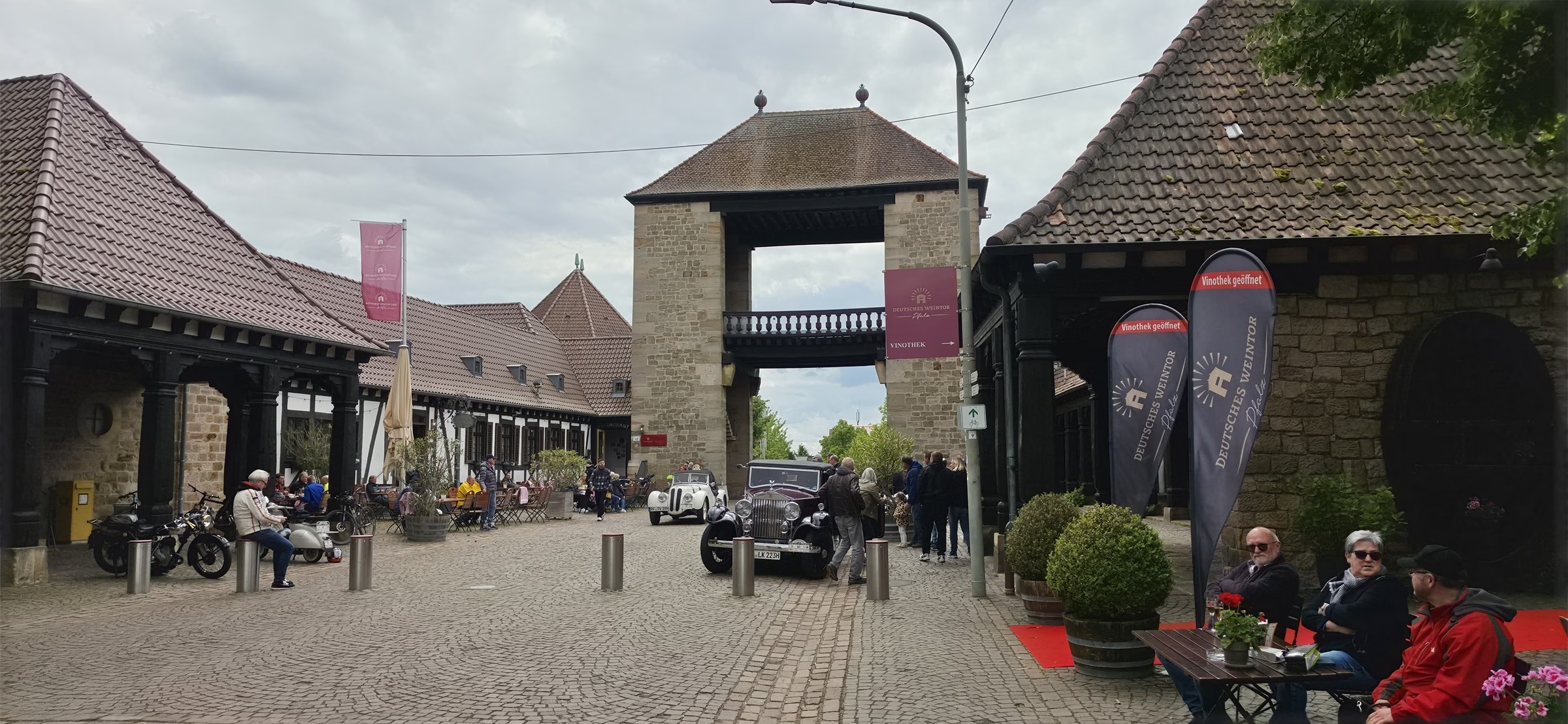
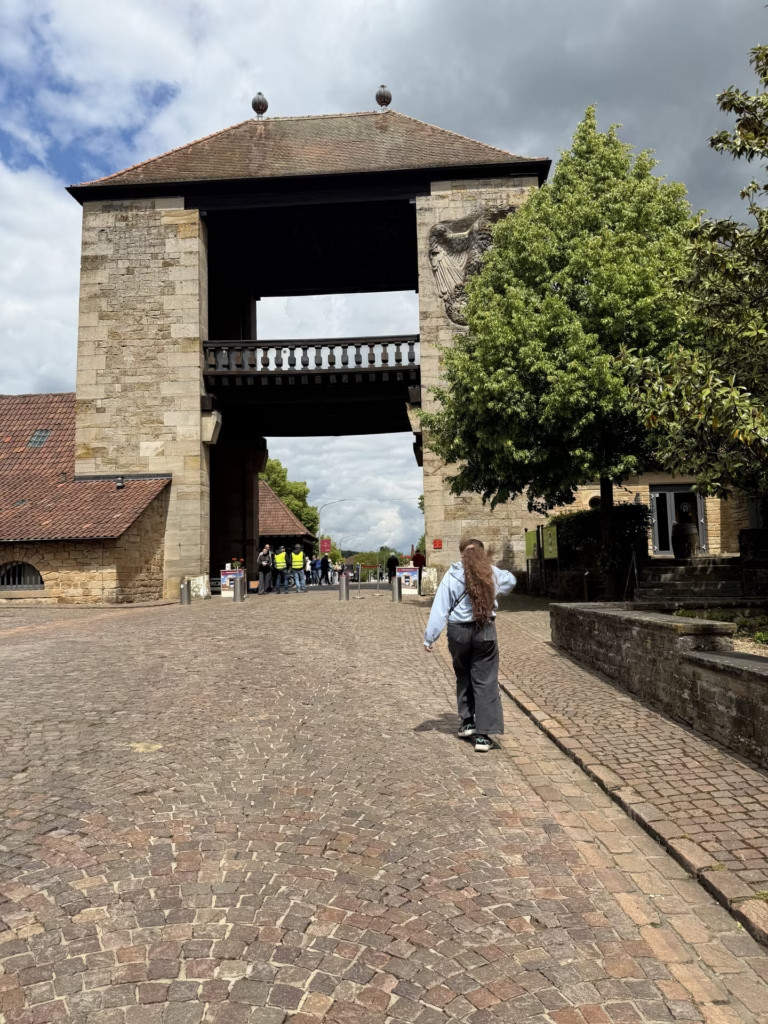
The Deutsches Weintor in Schweigen-Rechtenbach is a 19.2-meter sandstone arch built in 1936 as the southern terminus of the Deutsche Weinstraße, with a 1945 US Army inscription carved into its south face and a classic-car culture that uses the cobbled square as an unofficial meeting point on weekends. Hit on the return leg of the sunrise-to-pastry Wasgau and Alsace day trip, it adds a third historical layer (NS-era construction, US Army occupation, post-war European unification) in fifteen minutes of walking. The arch is free, no tickets, and no gate. You stand under it, read the south face, walk the cellar, and decide whether to stay for lunch.
Visit at a glance
- Address: Deutsches Weintor, Weinstraße 1, 76889 Schweigen-Rechtenbach
- Opening hours: Outdoor arch 24/7; Weintor restaurant Wed–Sun lunch + dinner (verify locally)
- Parking: Free parking lot directly adjacent to the arch
- Cost: Free to visit; restaurant mains €15–25
- Accessibility: Level paved approach; arch is open-air, no stairs; dogs welcome outside
- Distance from Kaiserslautern: ~70 km, ~55 min via A6 → B10 → B38 → Weinstraße
- Time on site: 20–40 min standalone; longer if combined with a lunch stop
A bit of history
The arch you stand under was built in 1936 by the regional NSDAP regime as a symbolic gateway. Architects August Josef Peter and Karl Mittel of Landau won the design competition; the foundation stone was laid on 27 August 1936, and the structure was completed and dedicated on 18 October 1936.[1] The arch stands 19.2 meters high, with an internal wooden gallery at 7.6 meters and an upper observation platform near 10 meters.[1] The east wing was built as a restaurant and reopened in May 1937.[1]
The arch was the southern bookend of a larger economic-political project. Gauleiter Josef Bürckel, head of the Gau Saarpfalz, had inaugurated the Deutsche Weinstraße the previous year, on 19 October 1935 in Bad Dürkheim, with a convoy of roughly 300 vehicles driving the 75 km from north to south to publicize the new wine road; a temporary wooden gate was erected in Schweigen for that ceremony and was later replaced by the 1936 sandstone arch.[1]
The stated purpose was to lift sales for Pfalz winegrowers through the Depression. The political framing was inseparable from the NSDAP propaganda machine that produced it. The arch is not a benign tourism artifact; it is an NS-era monument that the region has kept, used, and gradually re-contextualized.
The second layer is American. In March 1945, as the US Army crossed the western border into Germany, a soldier carved into the sandstone of the south face: Jere Gill Min. Wells 3-45, alongside an outline of Texas and the Texas star.[1] The “Min. Wells” abbreviation refers to Mineral Wells, a small city in Palo Pinto and Parker counties in north-central Texas, about 82 km west of Fort Worth.[4] The carving is documented in the Wikipedia DE image archive for the south face.[3]
What to do on a Deutsches Weintor day trip
A Deutsches Weintor day trip is short but layered, and works best as a stop within a longer Wasgau-Alsace itinerary. From the parking area, approach the arch from the north (German) side and read the front first: the lettering, the sandstone block courses, the wooden gallery line at 7.6 meters. Walk through on foot. Bundesstraße 38 runs directly under the arch, so watch traffic; the road continues south to the French border and on toward Wissembourg.
On the south face, look for the 1945 US Army inscription “Jere Gill Min. Wells 3-45” with the Texas outline and star alongside.[1] The carving is small and is easier to find in afternoon light, and it is the strongest reason a US-affiliated visitor would treat the stop as more than a roadside photo. (Primary-source: 2026-05-16 afternoon visit confirmed the carving is intact on the south face, weathered but readable.)
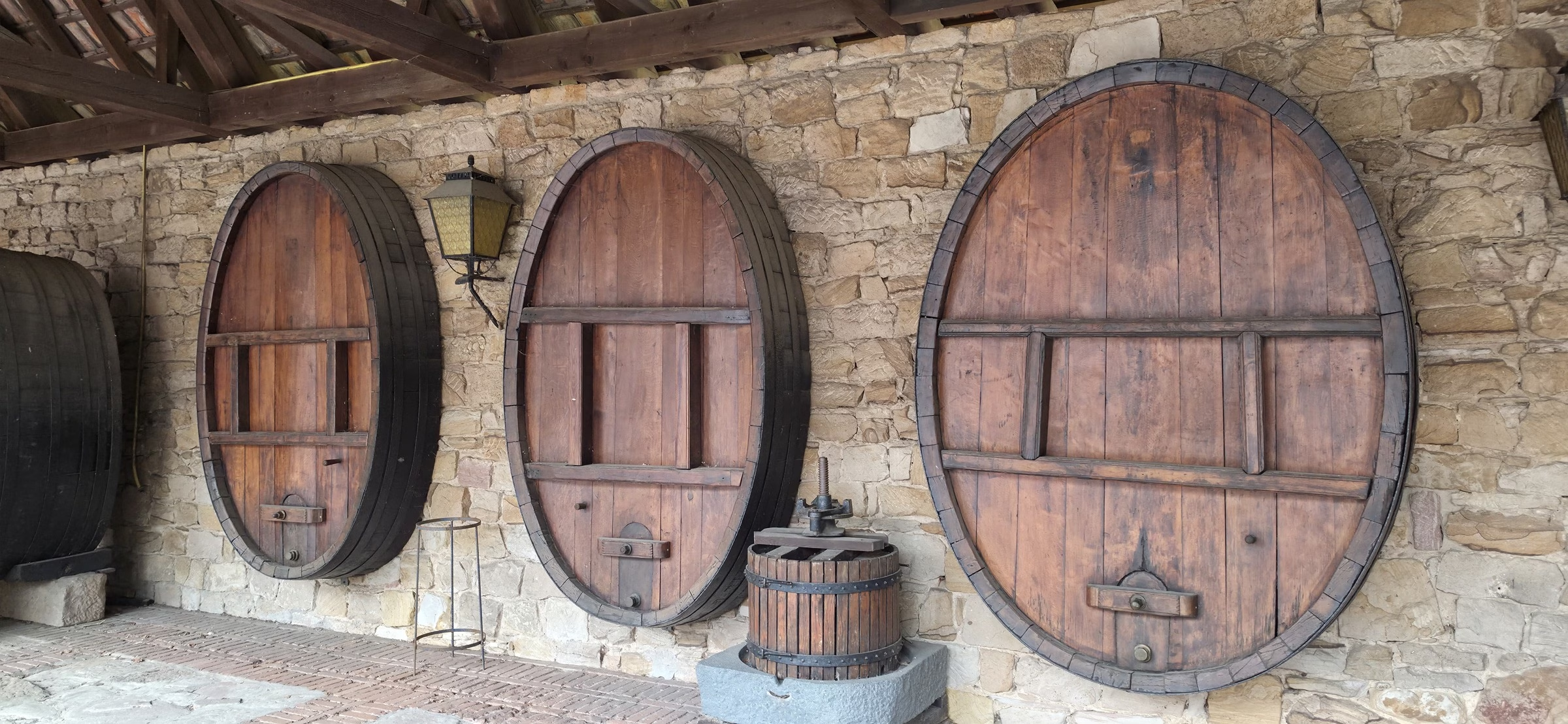
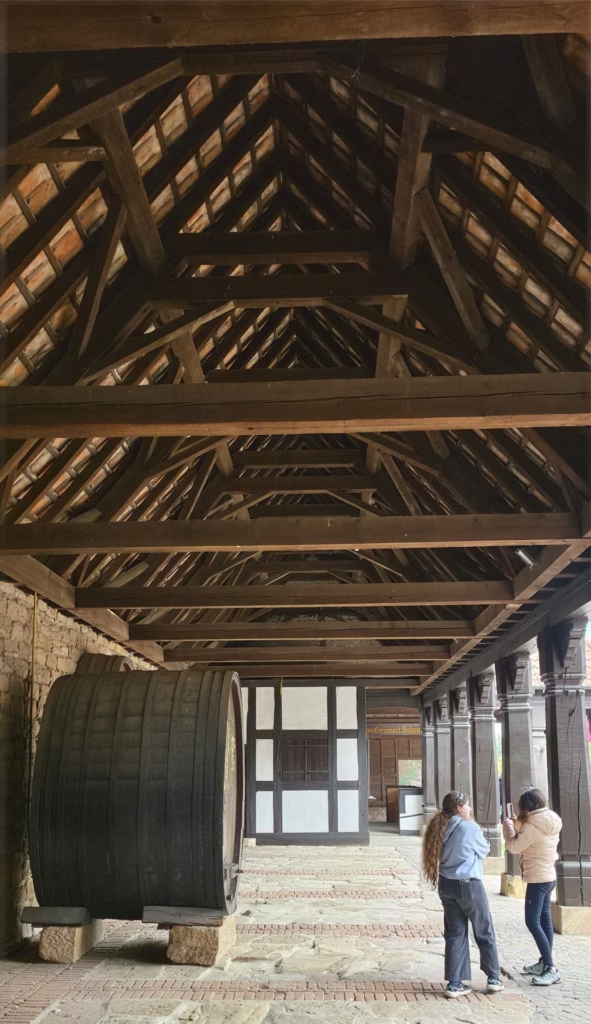
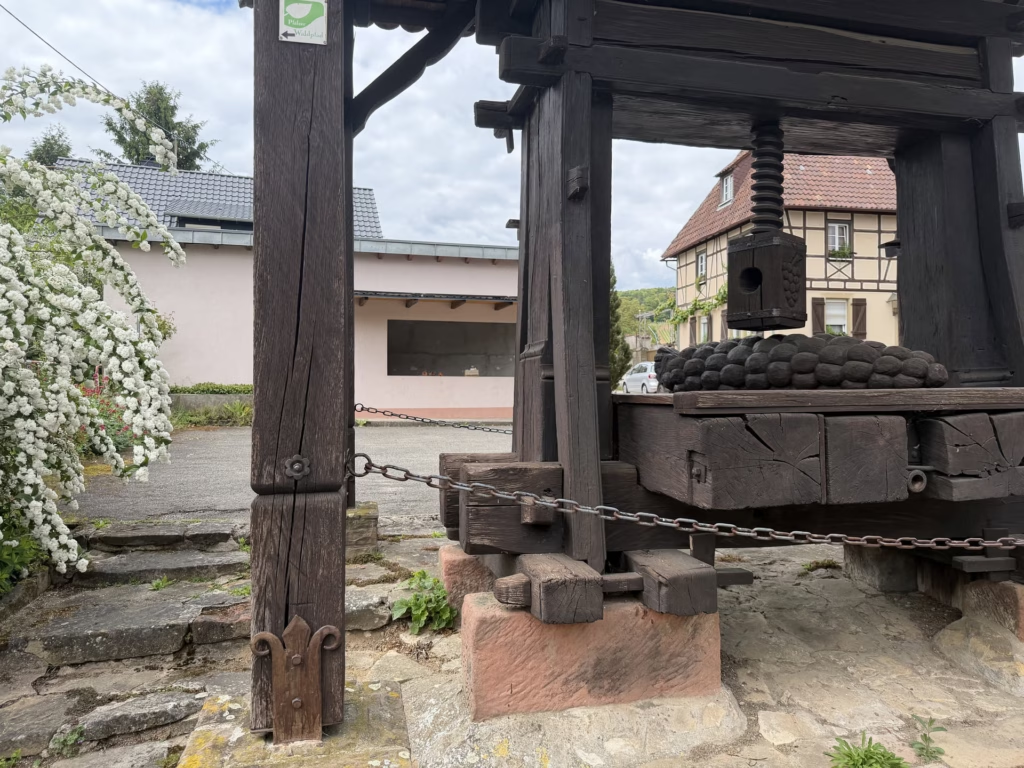
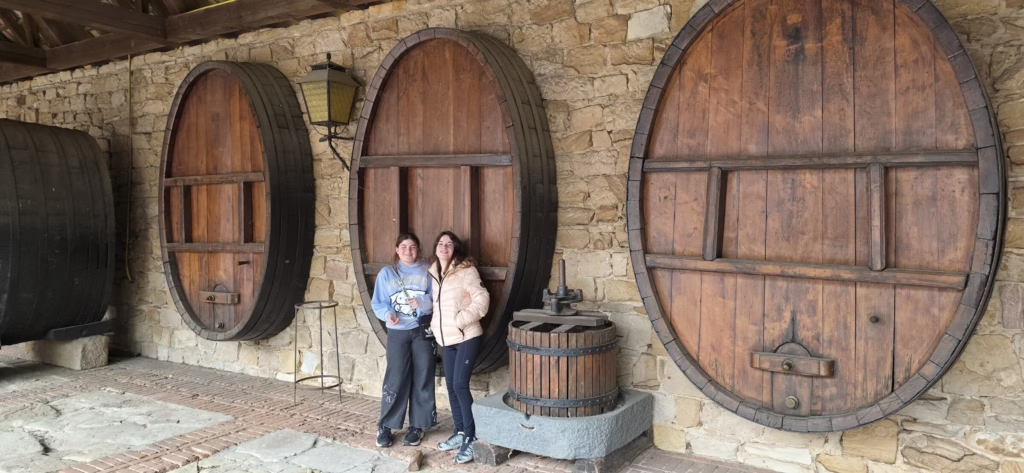
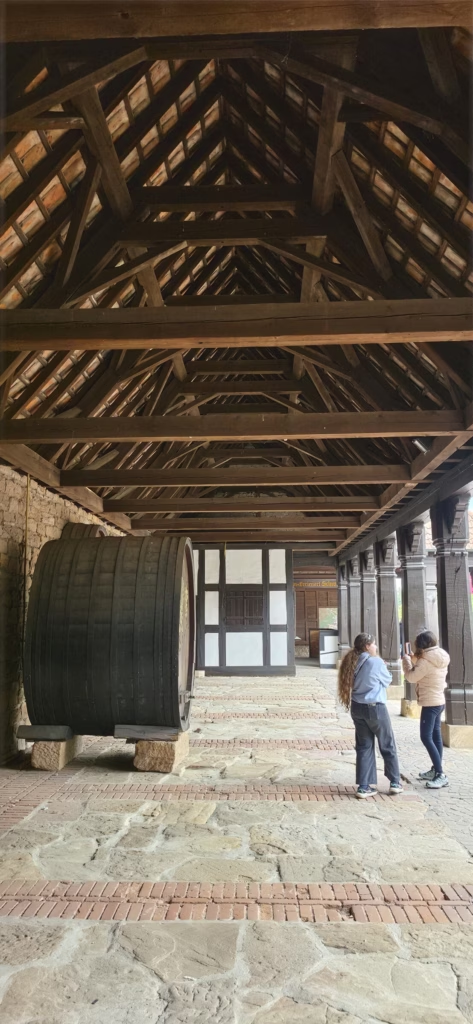
Walk the cellar. The Weintor cooperative runs a working Vinothek inside the gate complex with a small cellar showroom where three giant Fuder barrels are mounted along the back wall and a traditional wood-and-iron wine press sits in front. Free to walk through during Vinothek hours; the cellar shows the scale that “Pfalz winegrowing cooperative” meant historically.
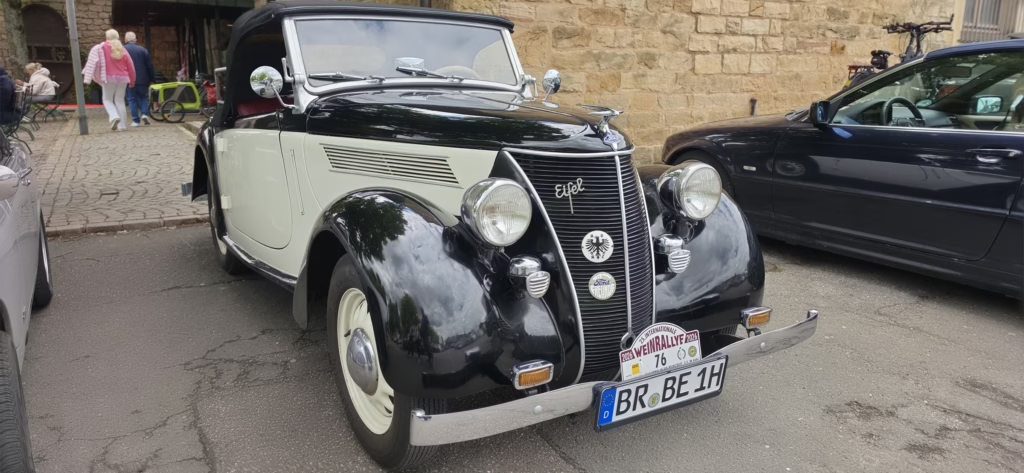
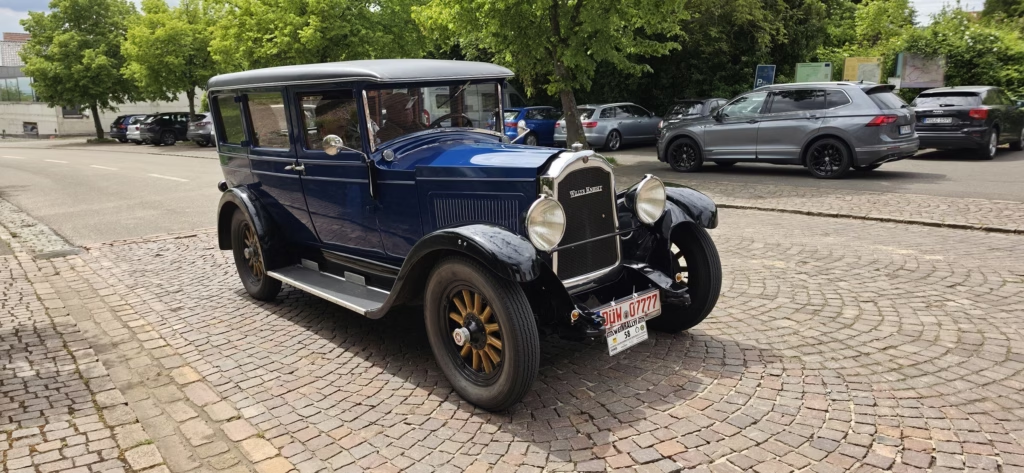
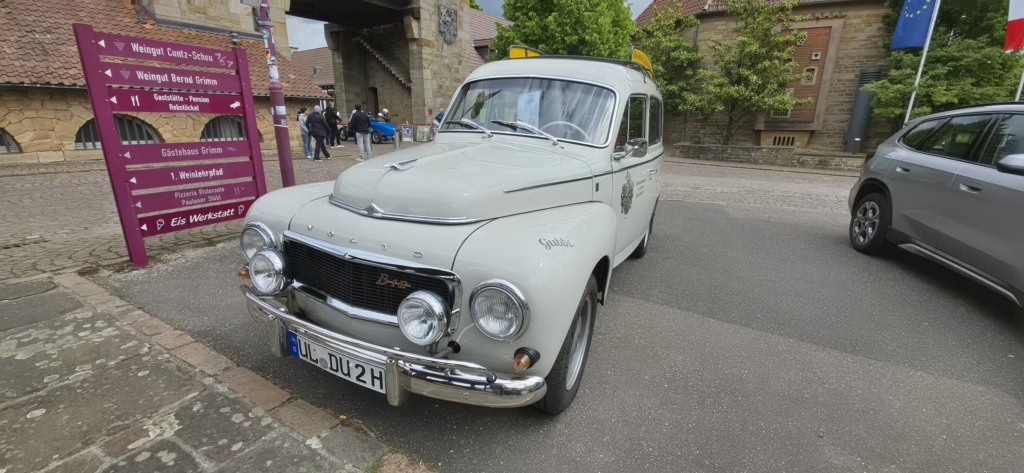
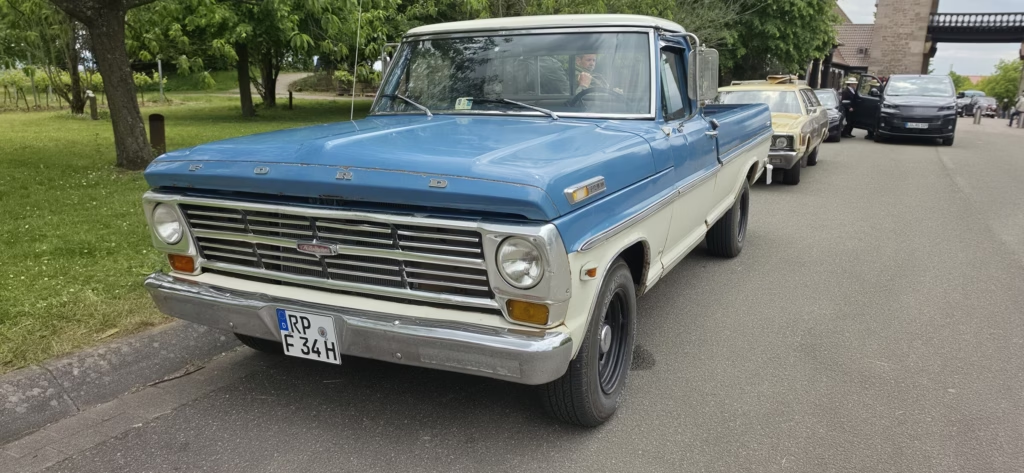
Check for a classic car meet. The cobbled square in front of the arch is an unofficial weekend gathering point for vintage-car clubs from both sides of the border. On the day of our visit (Saturday afternoon in mid-May), pre-war Mercedes convertibles, a vintage Rolls Royce, a Triumph roadster, a Ford Model A, and a Ford F-series pickup were parked side by side on the cobbles. No fixed schedule; if you are in the area on a weekend afternoon in dry weather it is worth a stop just to see what showed up. (Primary-source: 2026-05-16 visit.)
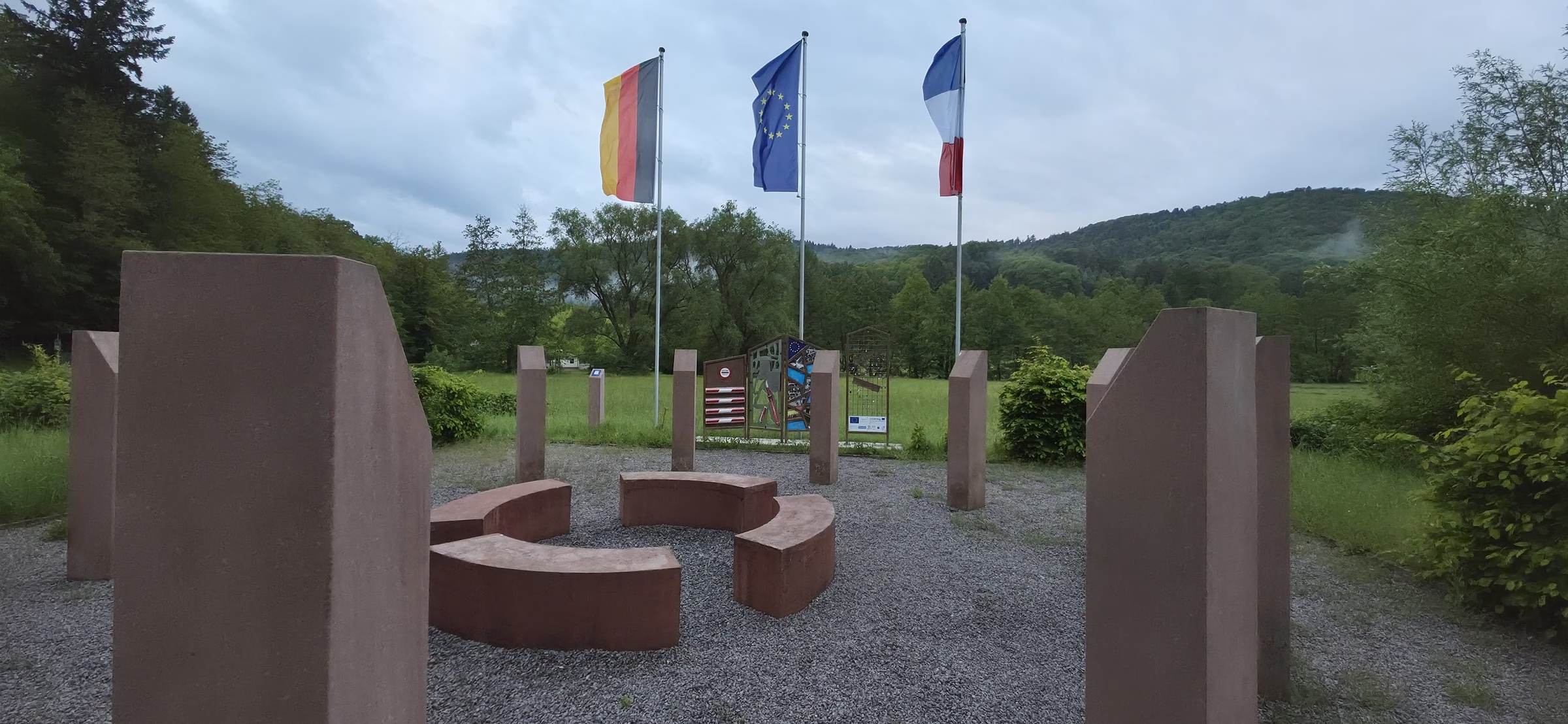
Know where the European-unification plaza actually is. The “Platz der ersten europäischen Vereinigung”, commemorating the 1950 student border storming, is not at the Weintor itself: it sits at St. Germanshof, about fifteen minutes west, where it was dedicated alongside the Europadenkmal in 2007. A short loop here still covers the wine-route signage, the boundary markers at the southern terminus of the Deutsche Weinstraße, and the start of the Weinwanderweg path south.
Where to eat and drink
The Weintor cooperative operates a restaurant in the east wing of the arch complex. As of May 2026: the kitchen serves Pfälzer regional cooking (Saumagen, Bratwurst, Weinkraut, salads) with cooperative wines by the glass; verify daily hours ahead. The Vinothek next door sells the same wines by the bottle and runs a tasting bar during opening hours. If you want a full sit-down meal as part of this series the better strategy is to wait for Wissembourg and combine it with the Daniel Rebert pastry stop; the Weintor restaurant works best for a glass of Riesling and a sandwich while you walk the square.
Practical tips
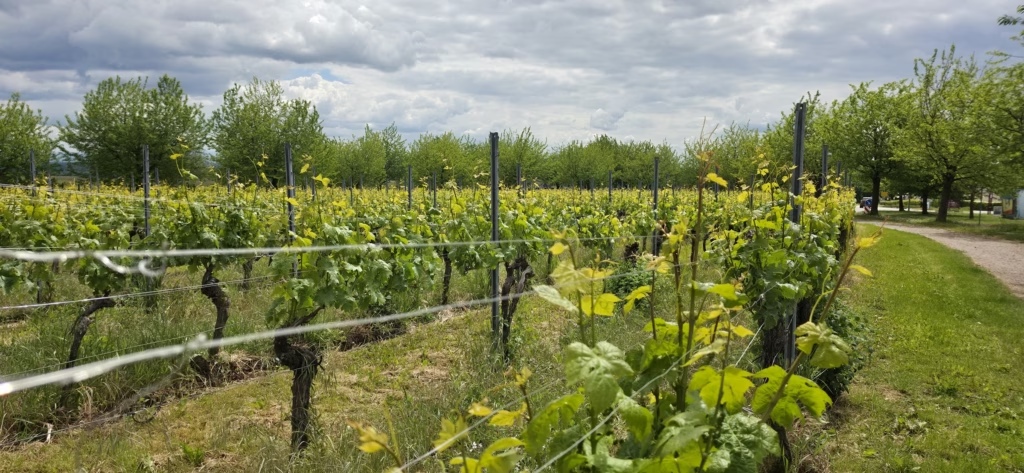
- Parking and access. Roadside pull-off and a small lot are adjacent to the arch and free. As of May 2026: there is no parking fee at the arch itself. The lot fills on Saturday afternoons during car meets; arrive before noon or after 16:00 if you need a guaranteed spot.
- Light direction. The north face (toward the village) is in shadow in the morning and lit after midday. The south face, which carries the 1945 US Army inscription, is best read in afternoon light. A mid-afternoon visit catches both faces with usable light.
- What to bring. Sturdy walking shoes for the cobbles, water, and a hat in summer. No public restrooms at the arch itself; the restaurant and Vinothek have facilities for paying customers.
- Border crossing. No checks are required to cross the German-French border at this point under Schengen. As of May 2026: the Bundespolizei and the French Police Aux Frontières still conduct occasional spot checks. Carry a passport or German residence card.
- Language. German on the north side, French on the south. The cooperative staff inside the Vinothek speak German and usually some English; French is conversational rather than fluent.
From the visit
Sources
- Deutsches Weintor on Wikipedia DE: https://de.wikipedia.org/wiki/Deutsches_Weintor (retrieved 2026-05-15)
- Deutsches Weintor on the Südliche Weinstraße tourism portal: https://www.suedlicheweinstrasse.de/default-title-2/infosystem/Deutsches-Weintor_Schweigen-Rechtenbach/infosystem.html (retrieved 2026-05-15)
- Wikimedia Commons file: 1945 US Army carving on south face: https://commons.wikimedia.org/wiki/Category:Deutsches_Weintor (retrieved 2026-05-15)
- Mineral Wells, Texas on Wikipedia EN: https://en.wikipedia.org/wiki/Mineral_Wells,_Texas (retrieved 2026-05-15)